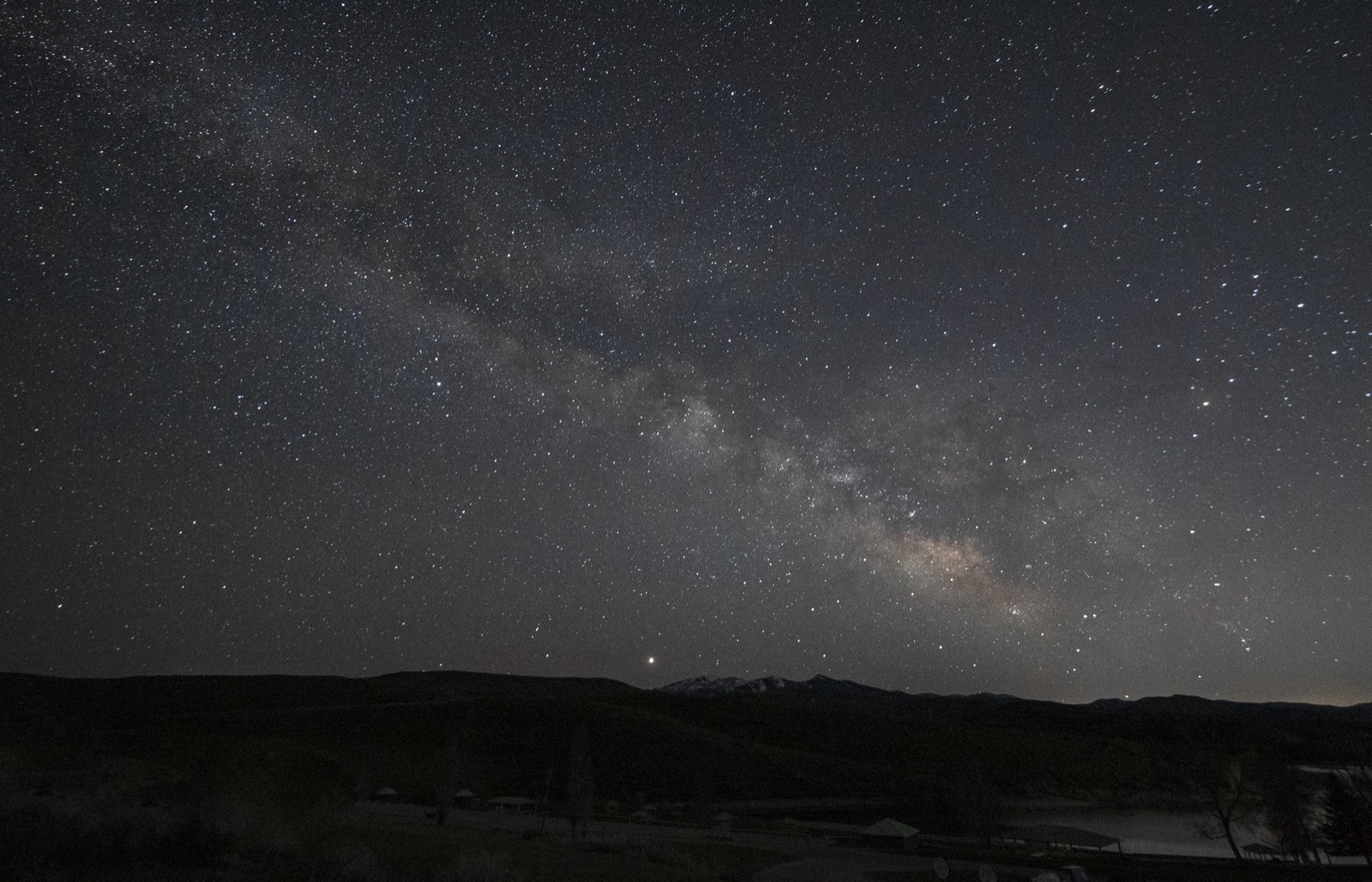
Astronomers rate night skies on the Bortle scale, from Class 9 (inner-city, a few dozen stars) down to Class 1 (pristine, no detectable artificial light). Downtown Salt Lake City is roughly Bortle 8. Every step down the scale roughly doubles what you can see, and the jump from Class 4 to Class 2 is the difference between "the Milky Way is visible" and "the Milky Way has texture, color, and casts shadow." Keep that in mind as you read, because drive time and darkness trade off directly.
| Spot | Drive from SLC | Approx. Bortle class | Best for |
|---|---|---|---|
| Antelope Island State Park | About 1 hr | 4 | Spontaneous weeknights |
| East Canyon State Park | About 45 min | 4 | Closest certified Dark Sky Park |
| Jordanelle State Park | About 50 min | 4 to 5 | Easy family nights near Heber |
| Capitol Reef National Park | About 3.5 hrs | 1 to 2 | Remote, true darkness |
| Bryce Canyon National Park | About 4.5 hrs | 1 to 2 | True darkness plus guided tours |
- 5. Jordanelle State Park ~50 min
Certified as an International Dark Sky Park in 2021, Jordanelle sits above Heber City and makes a pleasant evening with kids: easy parking, open shoreline views, and a sky clearly better than the valley. But the Wasatch Back is growing fast, and glow from Park City, Heber, and the SLC dome keeps the horizon bright. Good, not great.
- 4. East Canyon State Park ~45 min
The closest certified Dark Sky Park to downtown SLC, tucked into the mountains northeast of the city. The terrain blocks a surprising amount of valley light, and the reservoir gives you open sightlines. For a two-hour school-night session, this is arguably the best value in the region. The ceiling is still Bortle 4: you will see the Milky Way, but it is a faint band, not a structure.
- 3. Antelope Island State Park ~1 hr
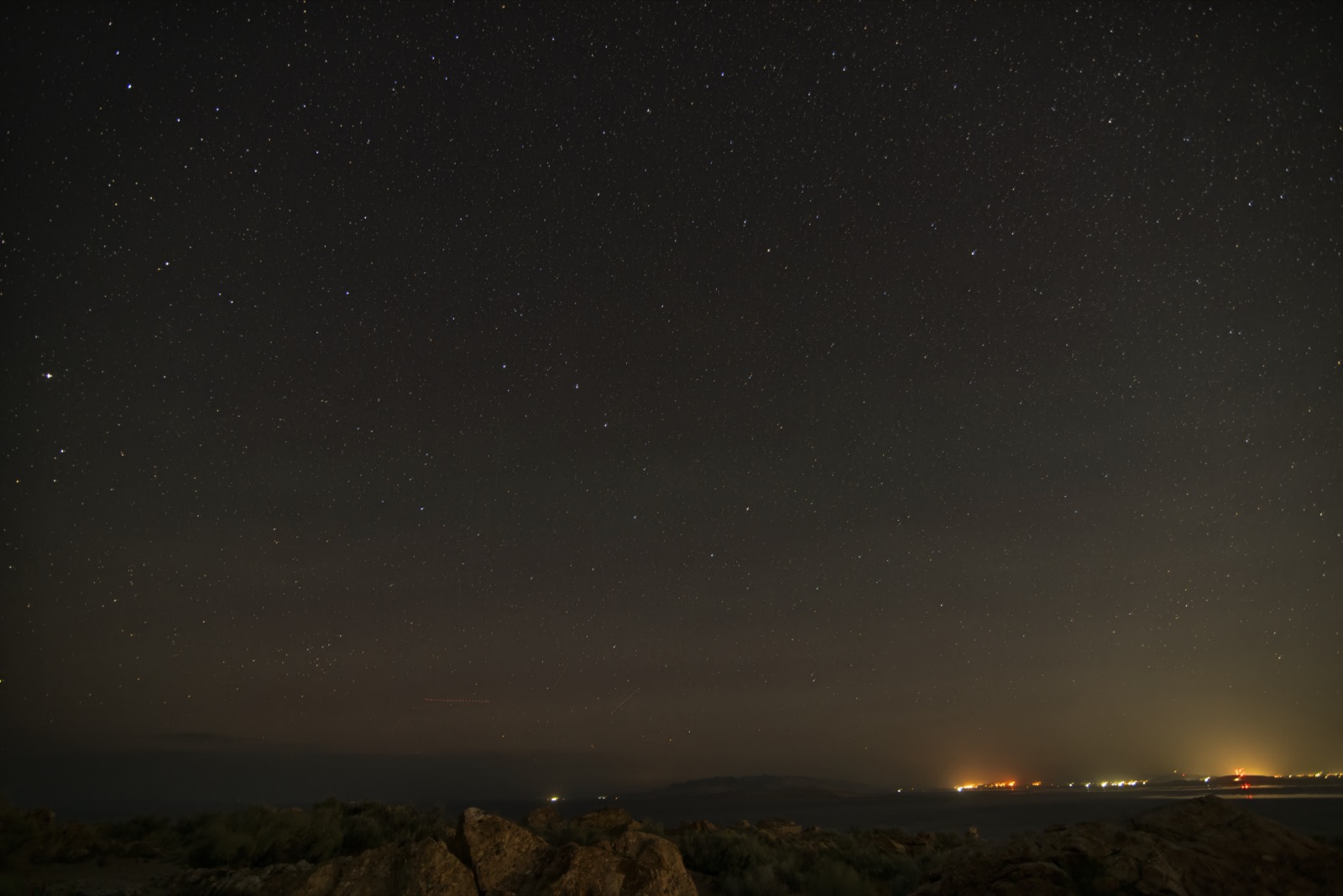
The local favorite, and deservedly so. Certified in 2017, with wide-open western horizons over the Great Salt Lake and frequent astronomy events. The fatal flaw never moves: two million people glow along the entire eastern skyline. Look west and it is lovely; look back toward home and the sky washes out. Antelope Island is the spot that convinces people to chase real darkness.
- 2. Capitol Reef National Park ~3.5 hr
Here is where the scale changes. Capitol Reef is a certified Dark Sky Park in genuinely remote country, with Bortle 1 to 2 skies that embarrass anything within an hour of SLC. It is an hour closer than Bryce and spectacular. What it lacks is night infrastructure: fewer services, fewer night programs, and no equivalent of a nightly guided telescope tour. If you already own a telescope and know the sky, Capitol Reef is superb.
- 1. Bryce Canyon National Park ~4.5 hr
The crown jewel, and not just ours: Utah has the highest concentration of certified Dark Sky Places on the planet, and Bryce is its flagship. Certified as an International Dark Sky Park in 2019, the rim sits at 8,000 to 9,100 feet, where thin, dry air pushes limiting magnitude to about 7.4 and roughly 7,500 stars into view. What separates Bryce from Capitol Reef is the complete experience: a full gateway town of lodging covered in our where to stay guide, daytime hiking among the hoodoos, and professional guided tours from Bryce Canyon Stargazing with research-grade telescopes and laser constellation tours. Darkest sky, easiest logistics, best night programming. That combination is why it wins.
"The jump from a Bortle 4 sky to a Bortle 2 sky roughly quadruples what you can see."
Skip the trial and error. Go straight to the number-one sky with guides who know it: telescope viewing and laser-guided constellation tours inside the Dark Sky Park.
Book a Bryce Canyon Tour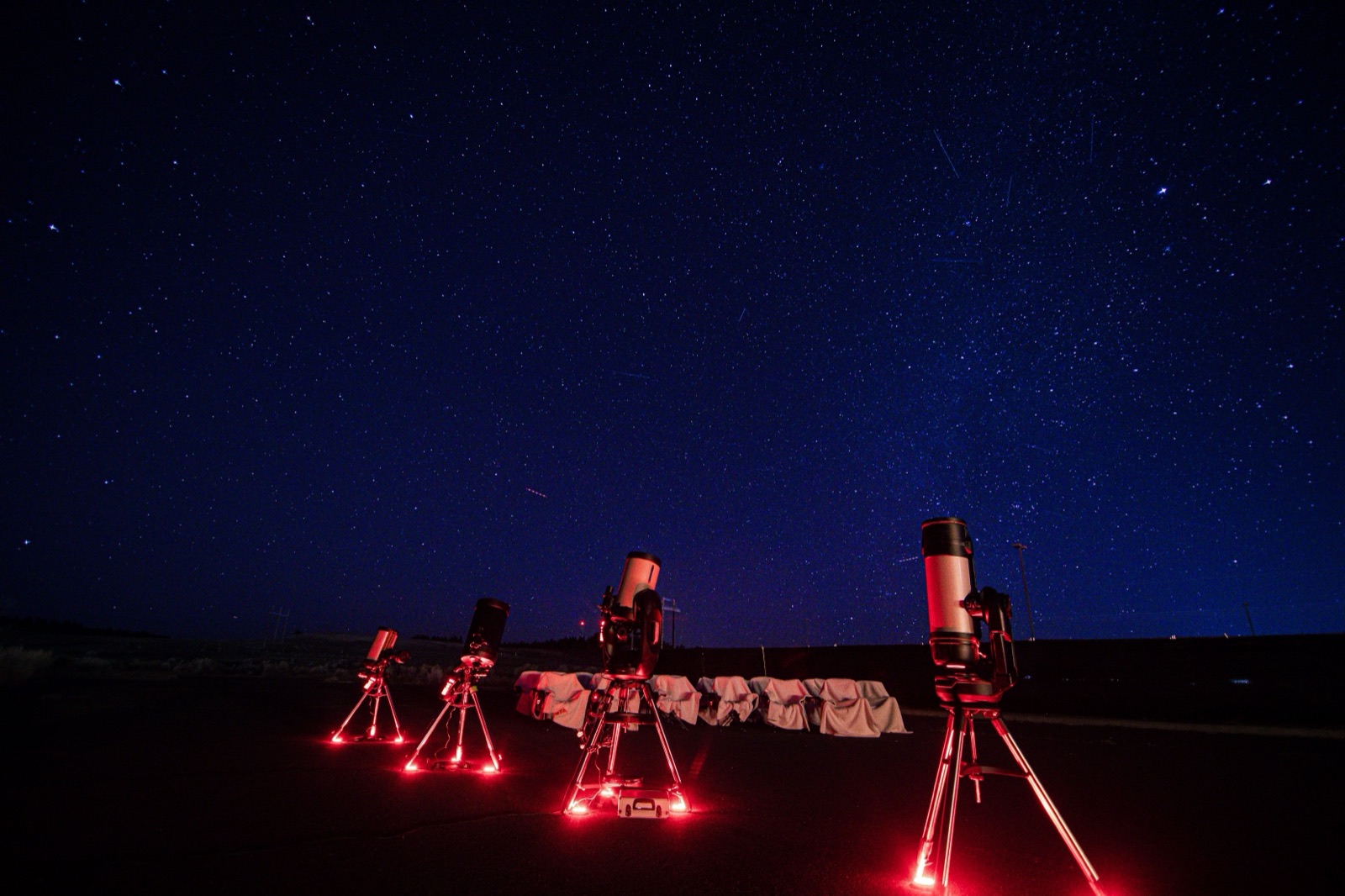
Use the close spots for what they are. East Canyon and Antelope Island are perfect for a Tuesday-night meteor shower or a first telescope session, and we genuinely recommend them. But Bortle 4 is a compromise sky, and once you have stood under Bortle 2 you will understand the difference in your bones. The Milky Way stops being something you find and becomes something you cannot miss.
Bryce Canyon is the closest place to Salt Lake City where that full experience comes with guides, telescopes, lodging, and a national park attached. The drive is a straightforward 4.5 hours, and timing it around a new moon, as covered in the best time to stargaze guide, makes the contrast even more dramatic. First trip? Read what to expect on a guided tour before you go.