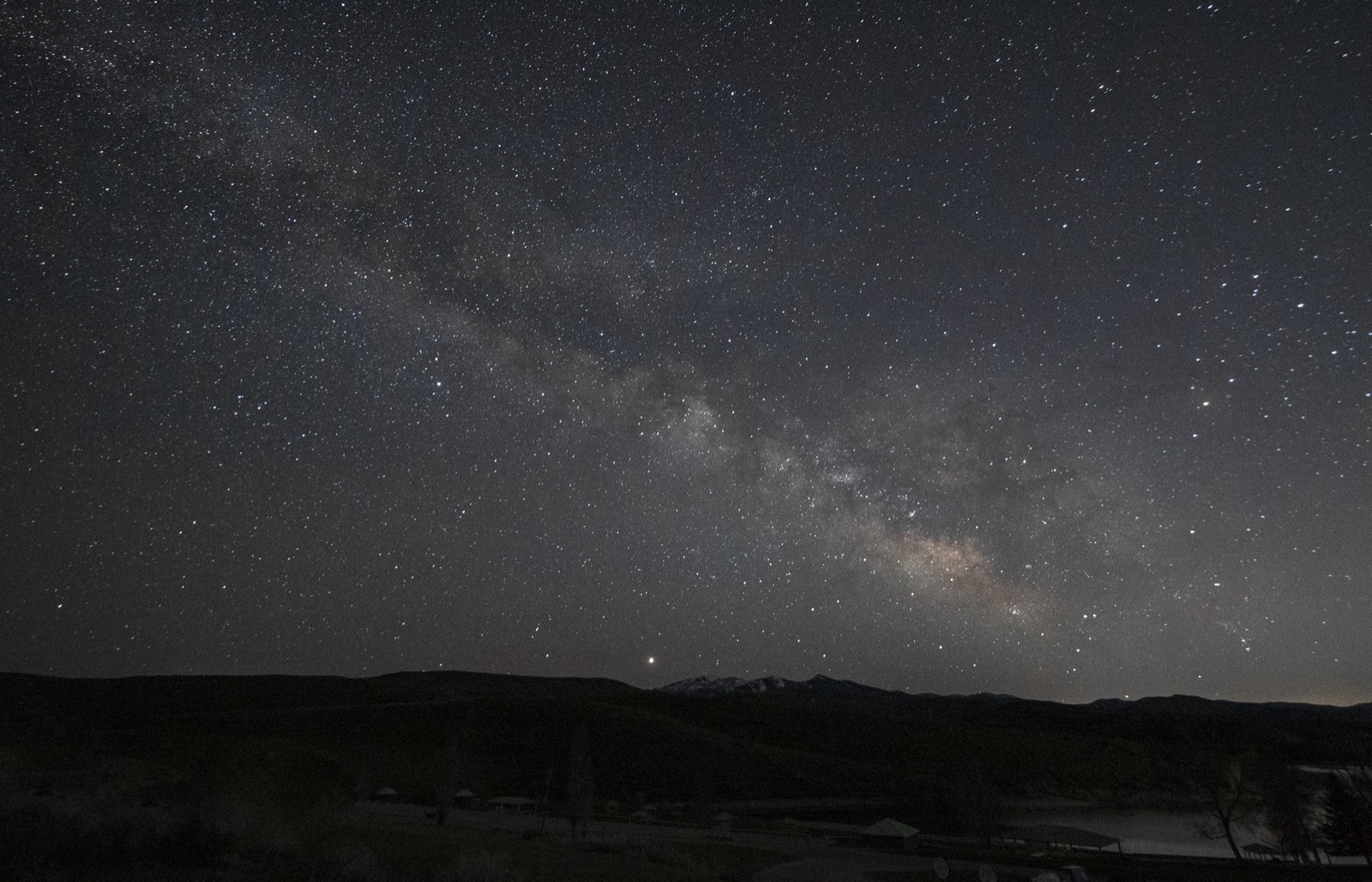
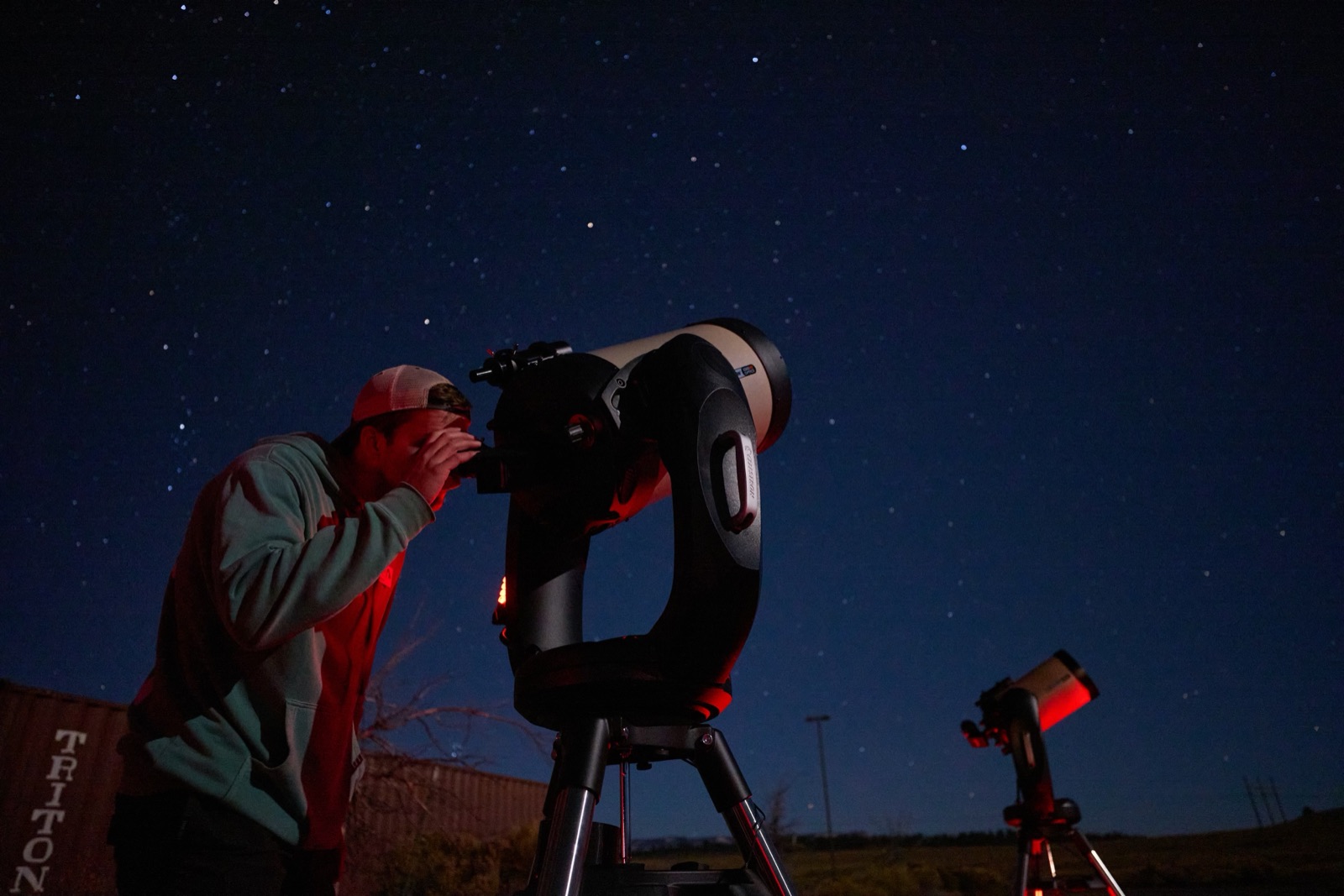
Book the night sky first, the bed second. Guided tours end late, your eyes will be fully dark-adapted, and the last thing you want is a long mountain drive afterward. Everything below is ranked by how well it serves a late night at the rim, which is also why we recommend two nights minimum: it gives you a weather-insurance night, as explained in the best time to stargaze guide, and turns the 4.5-hour drive from Salt Lake City into a relaxed weekend instead of a sprint.
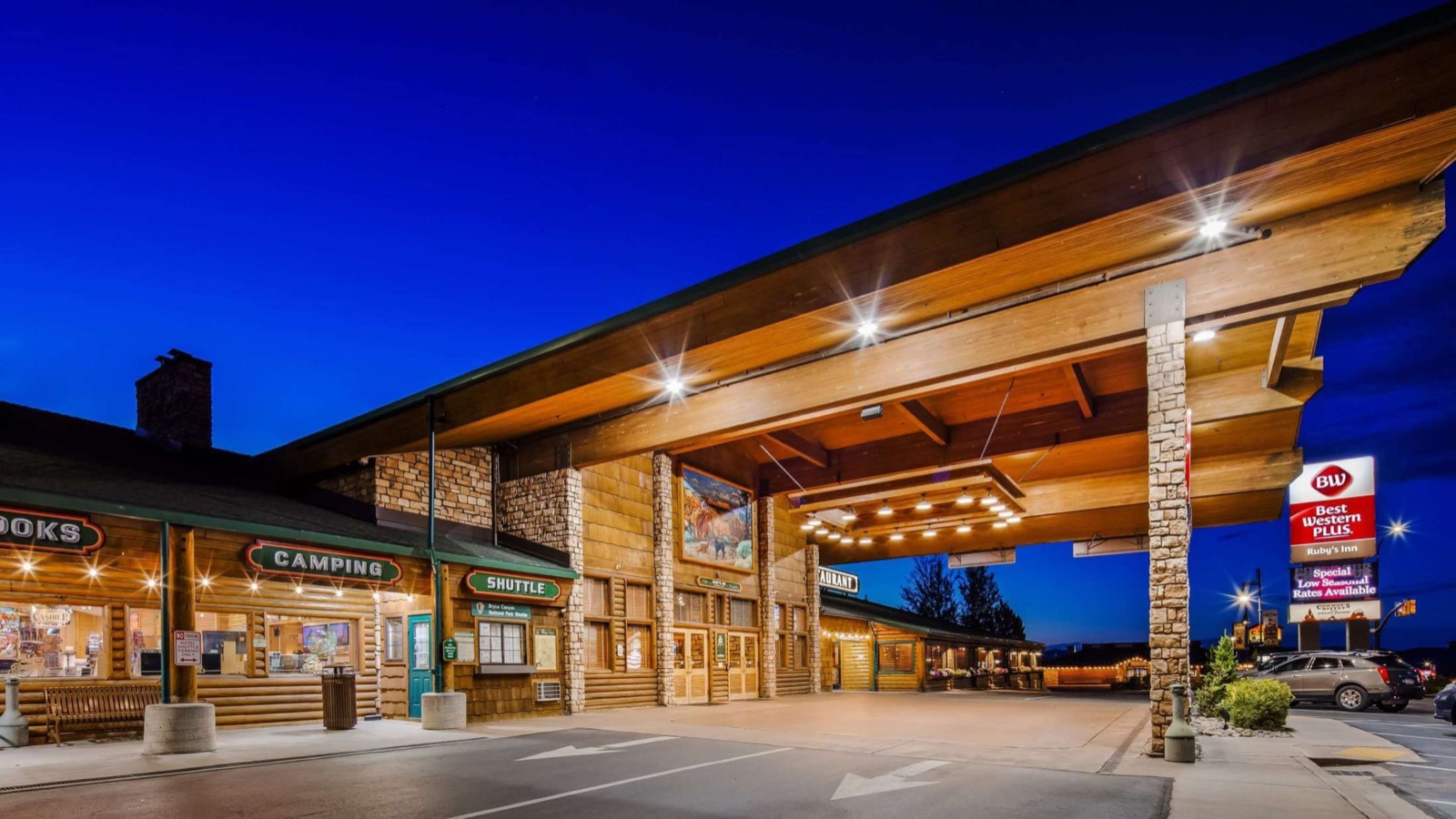
Bryce Canyon City sits directly at the park entrance on UT-63, minutes from the rim. It is a tiny gateway town that grew up around the historic Ruby's Inn, which has anchored visits to Bryce for more than a century, and today it offers the area's largest cluster of hotel rooms, restaurants, a general store, fuel, and an RV park and campground. This is the default choice for stargazing trips: you can finish a tour near midnight and be in bed before your hands warm up.
Two honest caveats. As the busiest hub, it books out furthest ahead in summer, especially on the new-moon weekends stargazers want. And it is a service town, not a charming village; you are paying for proximity, which for this trip is exactly the right thing to pay for.
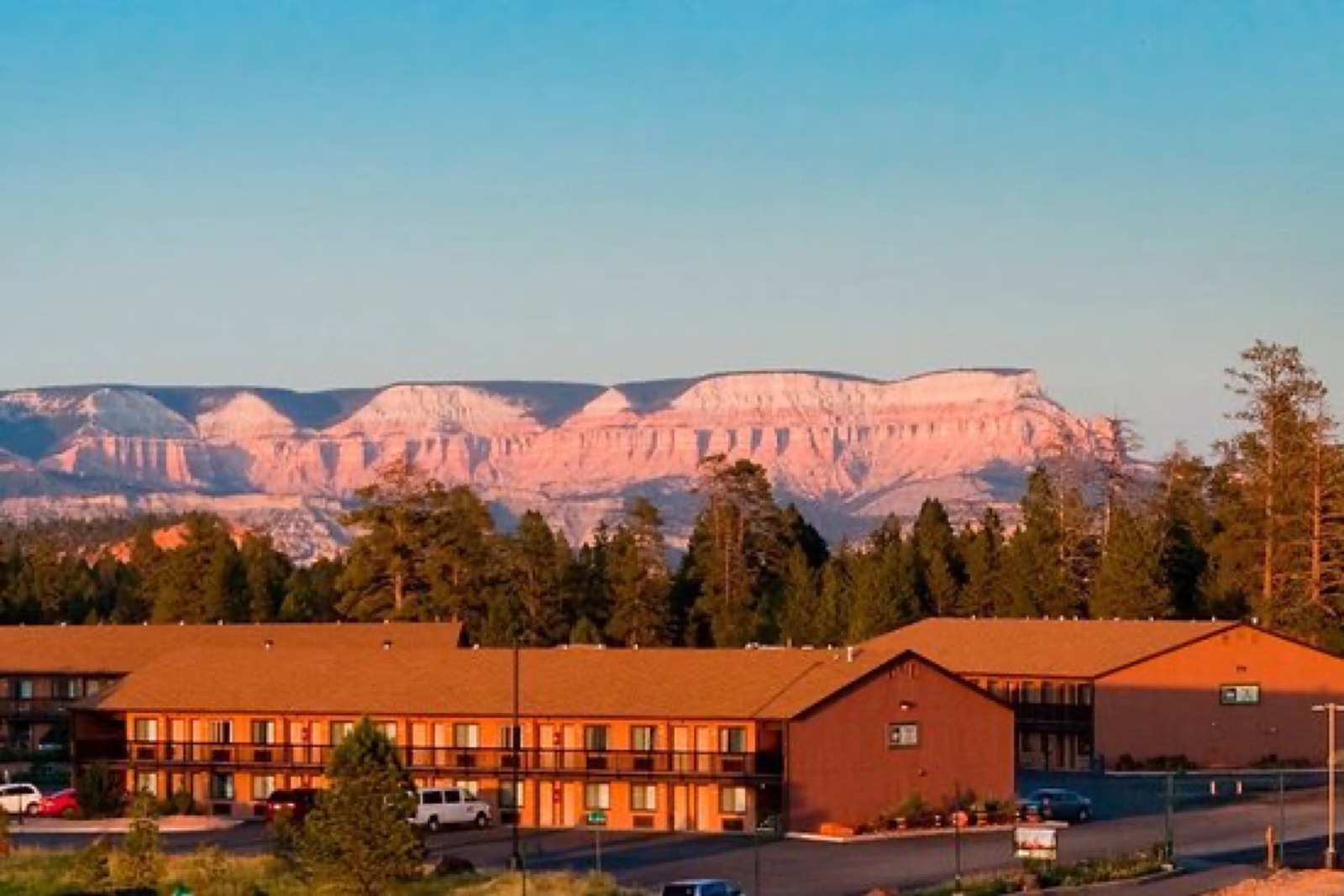
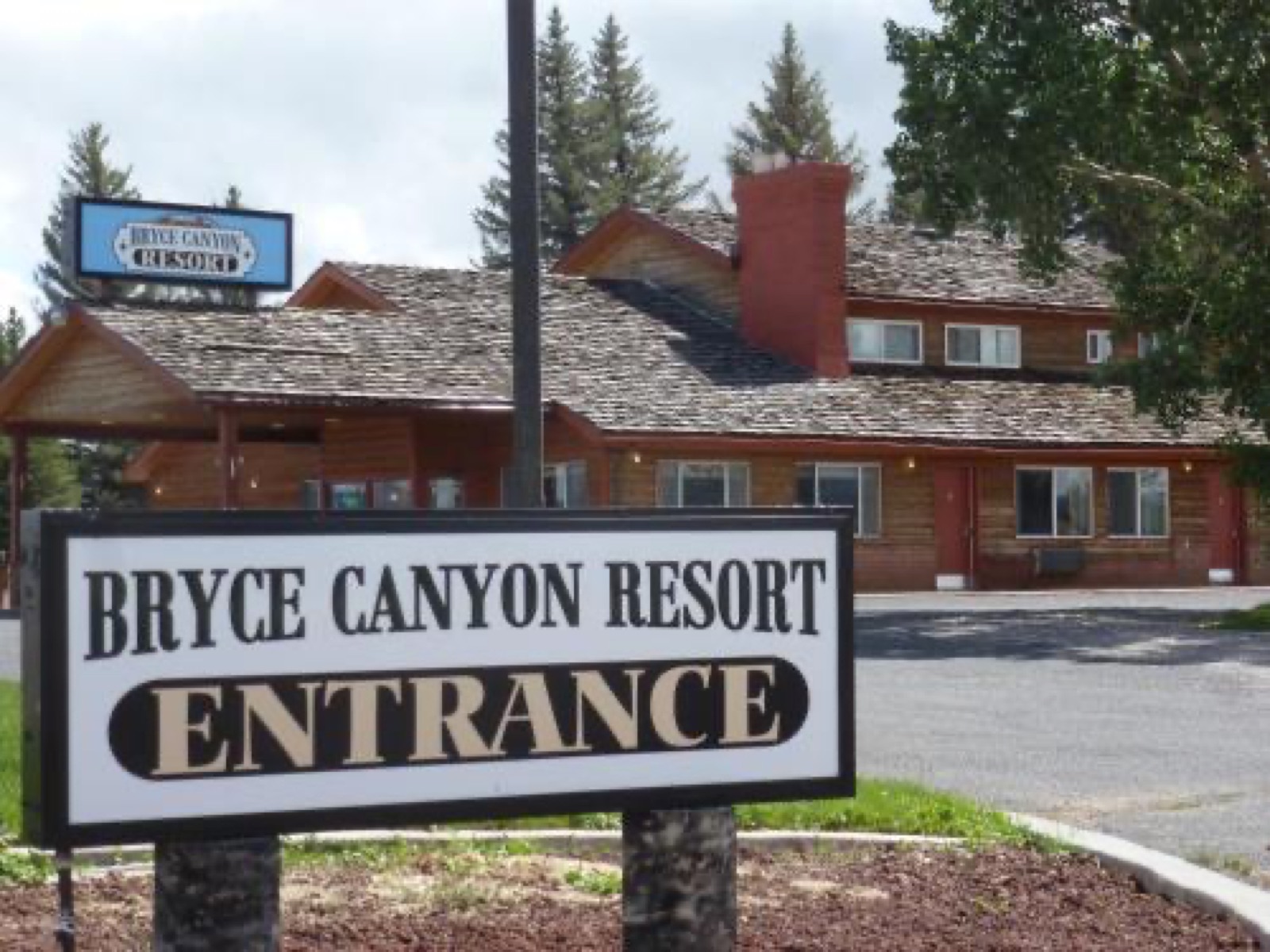
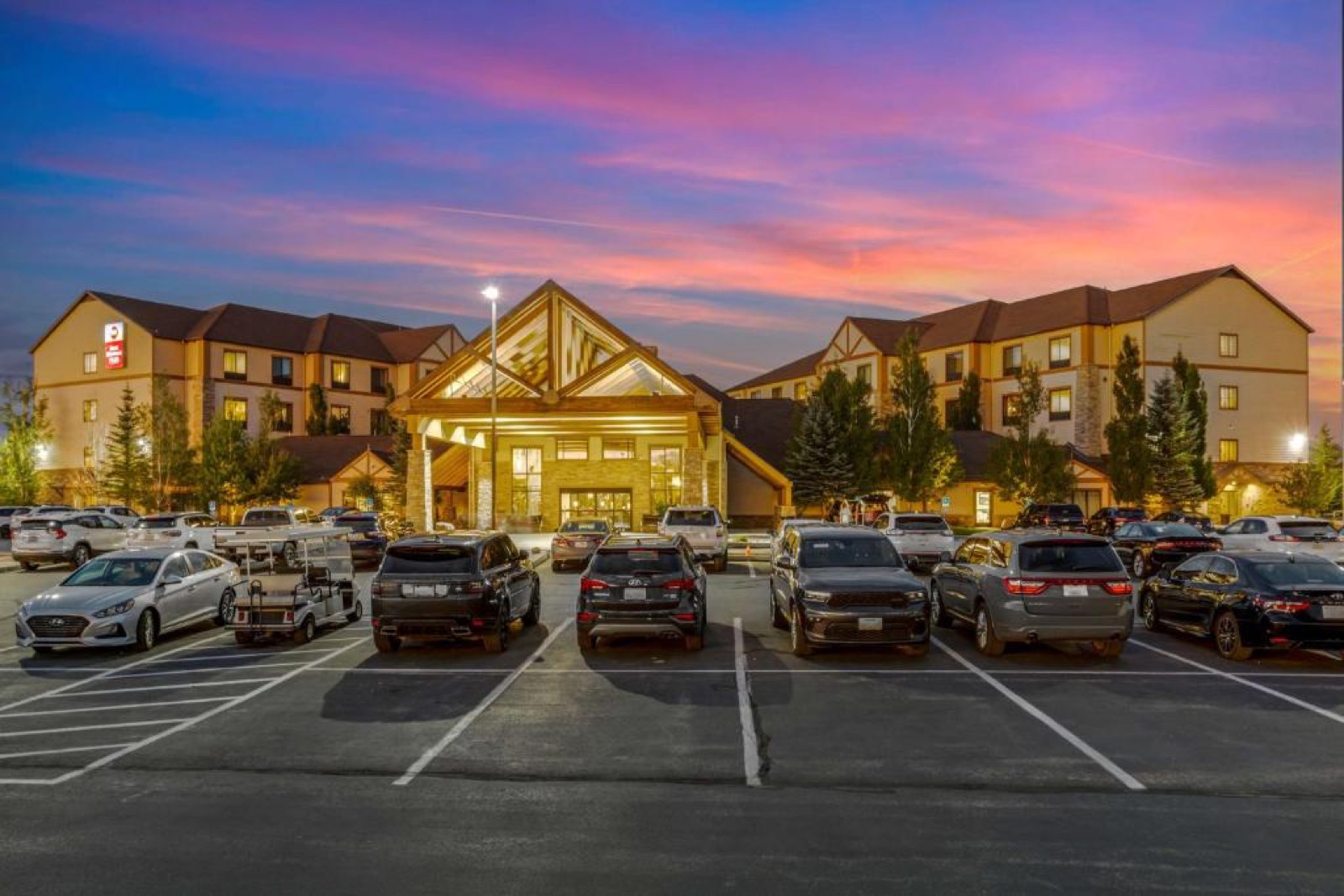
Drop off the plateau east of the park on Scenic Byway 12 and you reach Tropic, a small farming town with a strip of motels, inns, and vacation rentals. It is often a touch cheaper and noticeably quieter than the entrance corridor, with a handful of solid dinner options. The 15-to-20-minute drive back up to the park is easy, though it is a dark, deer-heavy road late at night, so take it slow after a tour. Tropic also positions you well for a side trip to Kodachrome Basin State Park, itself a certified dark-sky destination about 20 minutes away.
Panguitch sits on US-89 about 25 minutes northwest of the park, and it is the value play: classic roadside motels, a genuine historic Main Street of 1800s brick, and the area's last full grocery store. If you are watching costs or booked late for a busy weekend, Panguitch usually has rooms when the entrance corridor does not. The trade is the drive through Red Canyon after your tour; beautiful at sunset, slow going at midnight.
Booking order matters: reserve your stargazing tour first, then anchor your room to that night. Dark-moon summer weekends sell through both first.
Check Tour Availability FirstThere is a strong argument that campers get the best version of this trip, because the show continues after the tour ends. Your options, closest first:
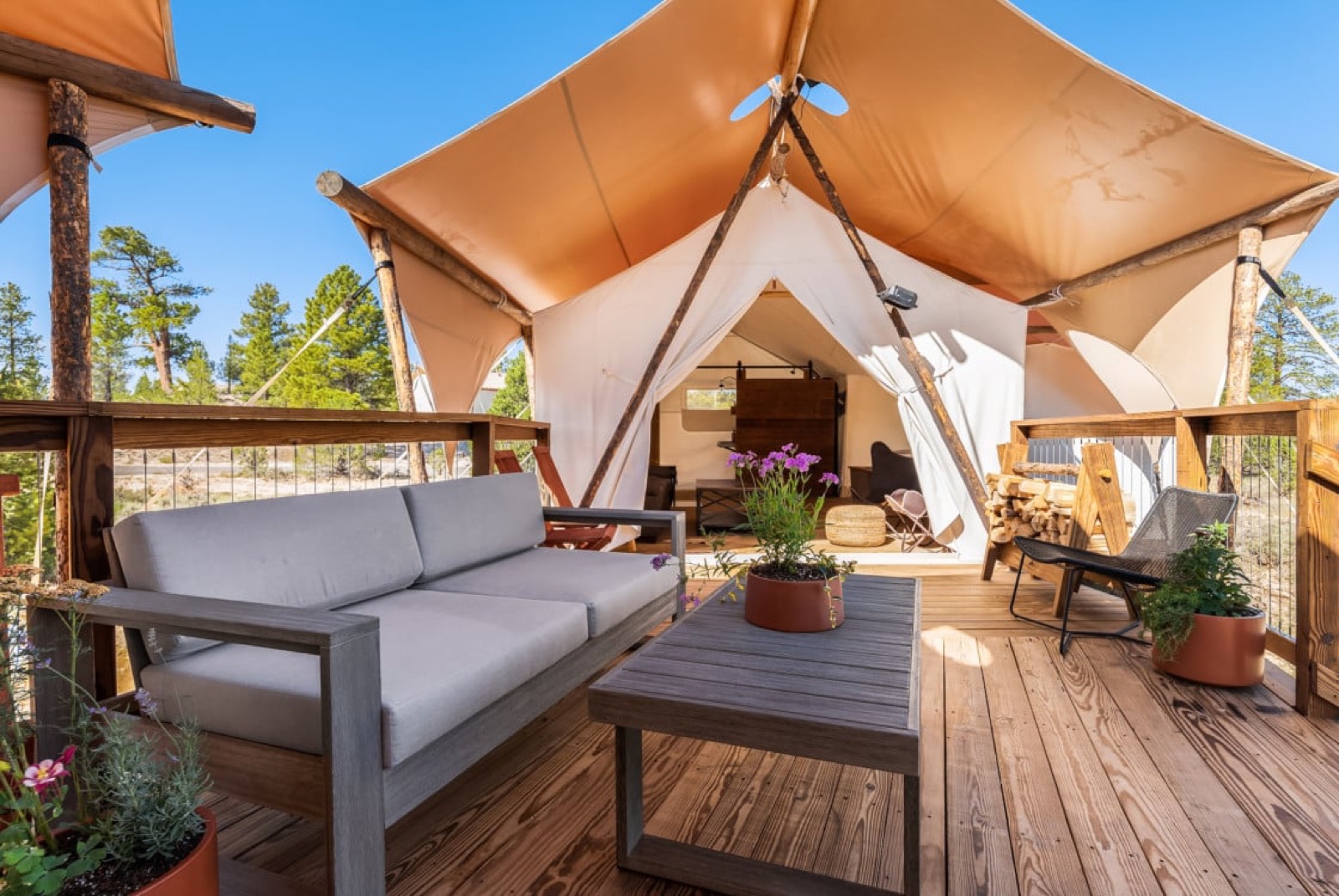
- North Campground and Sunset Campground are inside the park itself, walking distance from the rim at 8,000 feet. Falling asleep inside a certified International Dark Sky Park is the full experience. Sites are in demand all summer; reserve as early as the booking window allows, and pack for cold nights in every month, per the layering advice in what to expect.
- Red Canyon Campground, in Dixie National Forest along UT-12 about 15 minutes from the entrance, trades a short drive for easier availability and the same regional darkness, with the bonus of waking up among Red Canyon's orange hoodoos.
- Kodachrome Basin State Park, about 40 minutes from the rim past Tropic, offers excellent developed camping under skies nearly as dark as Bryce's, surrounded by sandstone spires.
- Dispersed camping in Dixie National Forest is free and legal in many areas off forest roads near UT-12 for self-sufficient campers; check current forest rules and fire restrictions before you go.
| Base | Drive to the rim | Best for | Watch out for |
|---|---|---|---|
| Bryce Canyon City | 5-10 min | Late tour nights, first visits | Books out early in summer |
| Tropic | 15-20 min | Quieter stays, small inns | Dark, deer-heavy road at night |
| Panguitch | About 25 min | Budget trips, late bookings | Red Canyon drive after midnight |
| In-park campgrounds | Walking distance | The full dark-sky experience | Cold nights year-round |
Whichever base you choose, the sky is the constant: Bortle 1 to 2 darkness that no spot near Salt Lake City approaches, as the ranked comparison lays out. Remaining logistics questions, from park reservations to winter access, are covered in the FAQ.